Plan de negocio de máquinas expendedoras de helados y evaluación de oportunidades
Construir un plan de negocio práctico de máquinas expendedoras de helados que cubra oportunidades de mercado, modelos de negocio, estrategia de ubicación, proyecciones financieras, análisis de riesgos, pruebas piloto y expansión multi-ubicación.
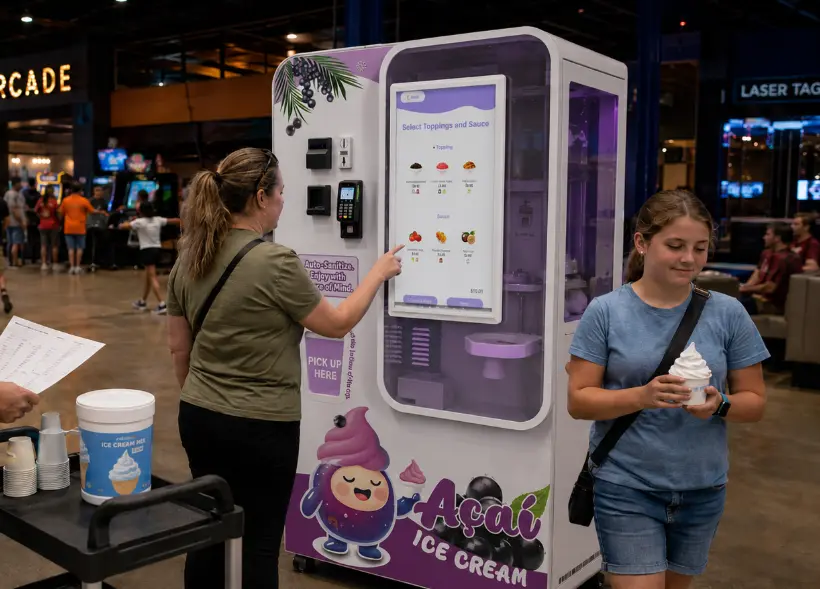
An Plan de negocio de máquina vending de helados Debe hacer algo más que describir el equipo y estimar un posible retorno. Su verdadero propósito es probar si la oportunidad es lo suficientemente fuerte como para justificar la inversión.
Eso requiere más que un gráfico de crecimiento del mercado. El cliente tiene que existir en una ubicación medible. El producto tiene que adaptarse a ese cliente. El precio de venta tiene que soportar los costos de operación. El pago, la limpieza, la recarga y el servicio tienen que funcionar en el entorno real. Solo entonces tiene sentido preguntar cuántas máquinas podría soportar el modelo.
El mercado en general proporciona un contexto útil. El Censo del Estado de Servicios de Conveniencia 2024 - 2025 de NAMA estima que los ingresos por servicios de conveniencia en EE.UU. 31.100 millones de dólares en 2025de aproximadamente 26.600 millones de dólares en 2023, con la venta siendo la línea de negocio más grande de la industria.
Eso nos dice que la venta al por menor de alimentos y bebidas desatendidos ya es un canal comercial establecido. No nos dice si una máquina de servicio suave en particular tendrá éxito en un centro comercial, centro de entretenimiento familiar o campus en particular.
Para un nuevo operador, la ubicación exacta suele importar mucho más que otro pronóstico de mercado nacional.
1. Comience por la ubicación, no por el tamaño del mercado
"A la gente le gusta el helado " no es una tesis de inversión.
Un punto de partida más fuerte es algo lo suficientemente específico como para probarlo:
Planeamos operar puntos de servicio suave desatendidos en centros de entretenimiento familiar donde los clientes tienen largos tiempos de estancia, la demanda de postres ya existe y el lugar no quiere operar otro mostrador de comida con personal.
Esta declaración define el cliente, la ubicación, el producto y la ventaja operativa.
A partir de ahí, la investigación de mercado debe volverse cada vez más local. La Administración de Pequeñas Empresas de los Estados Unidos recomienda evaluar factores tales como la demanda, la ubicación, la saturación del mercado, las características del cliente y los precios de la competencia. Esas preguntas se traducen naturalmente en el análisis de ubicación de venta.
Antes de considerar un sitio, compruebe si ya se compran postres congelados allí, cuánto cuestan las alternativas cercanas, si la demanda es principalmente impulsada por impulsos y qué tan fuertemente cambia el tráfico entre los días de semana, los fines de semana y las estaciones.
A continuación, mire la posición exacta de la máquina propuesta.
Una revisión de ubicación útil podría parecerse a esto:
| Factor | Lo que importa |
|---|---|
| Tráfico relevante | Las personas que realmente pasan la posición propuesta |
| Producto Fit | Evidencia de que la audiencia compra postres o comida de impulso |
| Visibilidad | Si la máquina se puede ver de forma natural |
| Dwell tiempo | Si los clientes permanecen en el lugar el tiempo suficiente para comprar |
| Competencia | En las cercanías de helados, bebidas, aperitivos o postres |
| Economía del sitio | Alquiler, participación en los ingresos o garantía mínima |
| Servicio de acceso | Acceso a recarga, limpieza y mantenimiento |
| Ambiente de pago | Compatibilidad con los hábitos de los clientes |
| Estacionalidad | Estabilidad de la demanda a lo largo del año |
| Expansión potencial | Si se pueden adquirir ubicaciones similares más tarde |
Una propiedad ocupada todavía puede ser una ubicación pobre si la máquina está oculta, la audiencia está equivocada o el costo del sitio es demasiado alto.
Es por eso que el "alto tráfico " nunca debe ser aceptado como una estrategia de ubicación completa.
2. Decida qué negocio realmente está construyendo
La misma máquina puede soportar modelos de negocio muy diferentes.
Un operador independiente gana con las ventas al por menor y se hace responsable de las ubicaciones, los ingredientes, la limpieza, el rellenado, los pagos y el servicio.
Un modelo de asociación de ubicación funciona de manera similar, excepto que el lugar puede recibir alquiler fijo, participación en los ingresos u otra consideración negociada.
Un operador multi-sitio eventualmente tiene que pensar en la densidad de ruta, el pago estandarizado, los repuestos, el inventario y la gestión remota de la flota.
Un distribuidor es otra vez diferente. El negocio principal es las ventas de equipos y el soporte local, por lo que el éxito depende más de la tubería de ventas, demostraciones, capacidad del técnico, disponibilidad de piezas de repuesto, capacitación y adquisición de clientes.
Tratar de combinar todos estos en un modelo financiero generalmente produce un plan que parece exhaustivo pero explica muy poco.
Seleccione primero el modelo principal. La economía, el plan operativo y el camino de expansión deben seguir de esa decisión.
3. Hacer que el producto y la máquina se ajusten al modelo operativo
La sección de productos no necesita convertirse en un catálogo, pero sí debe ser específica.
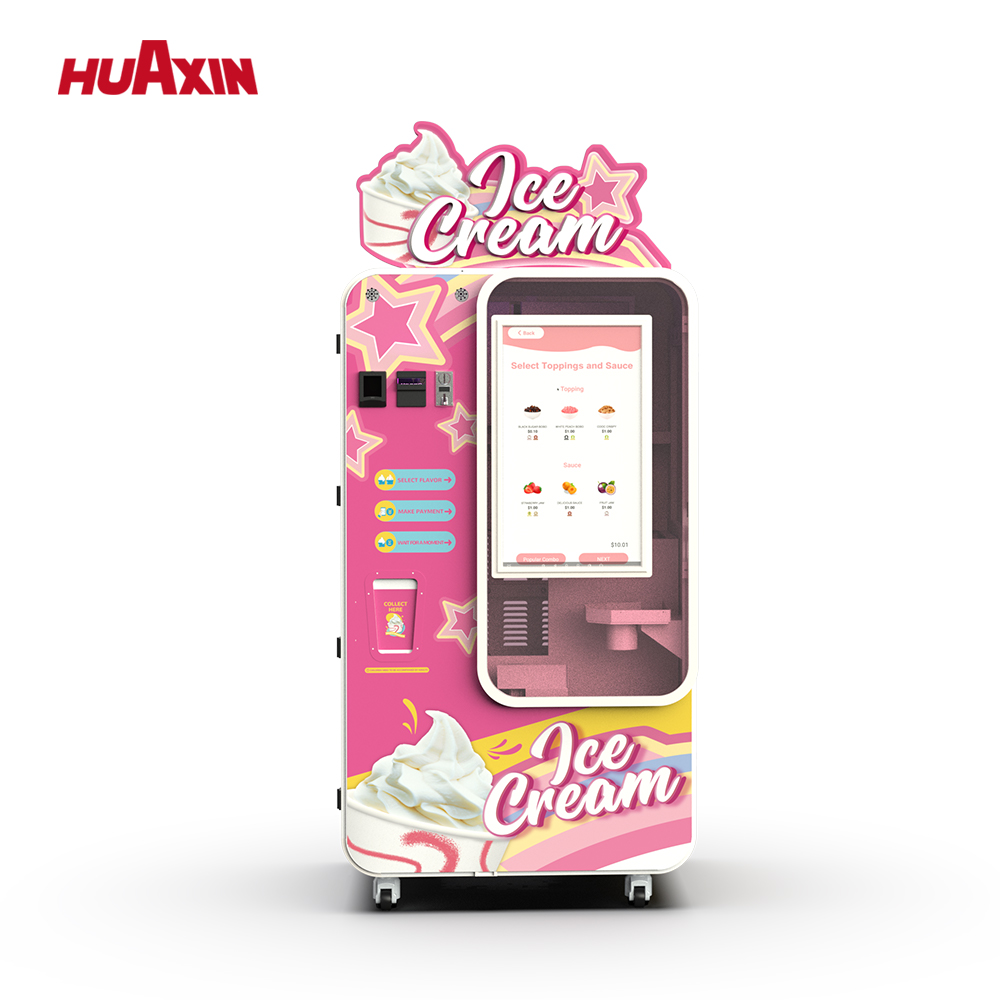
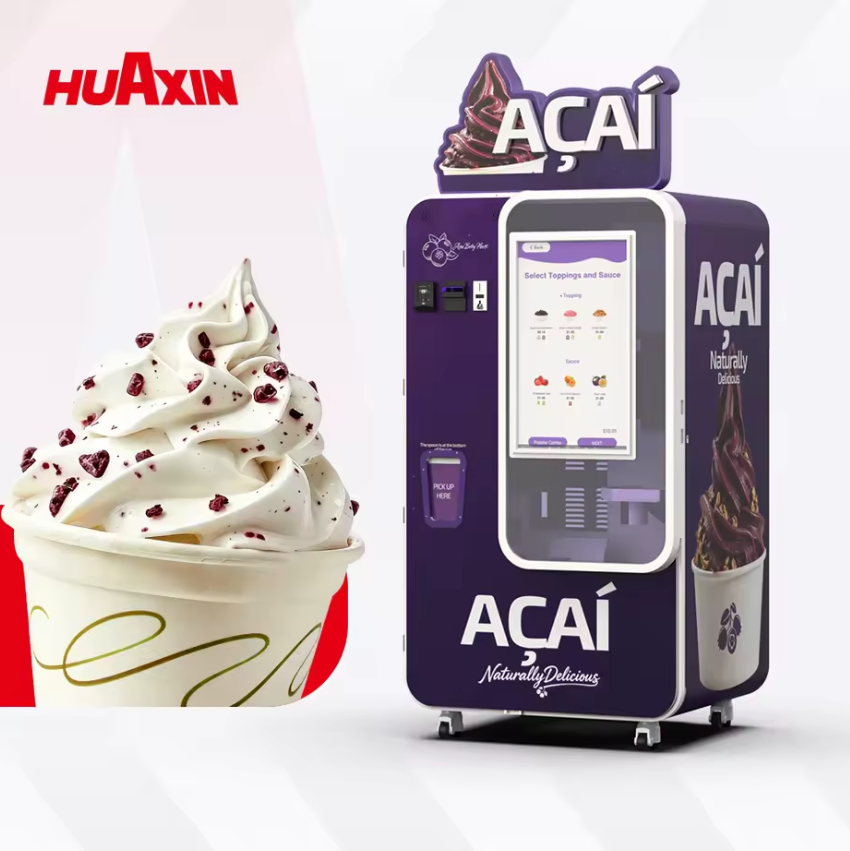
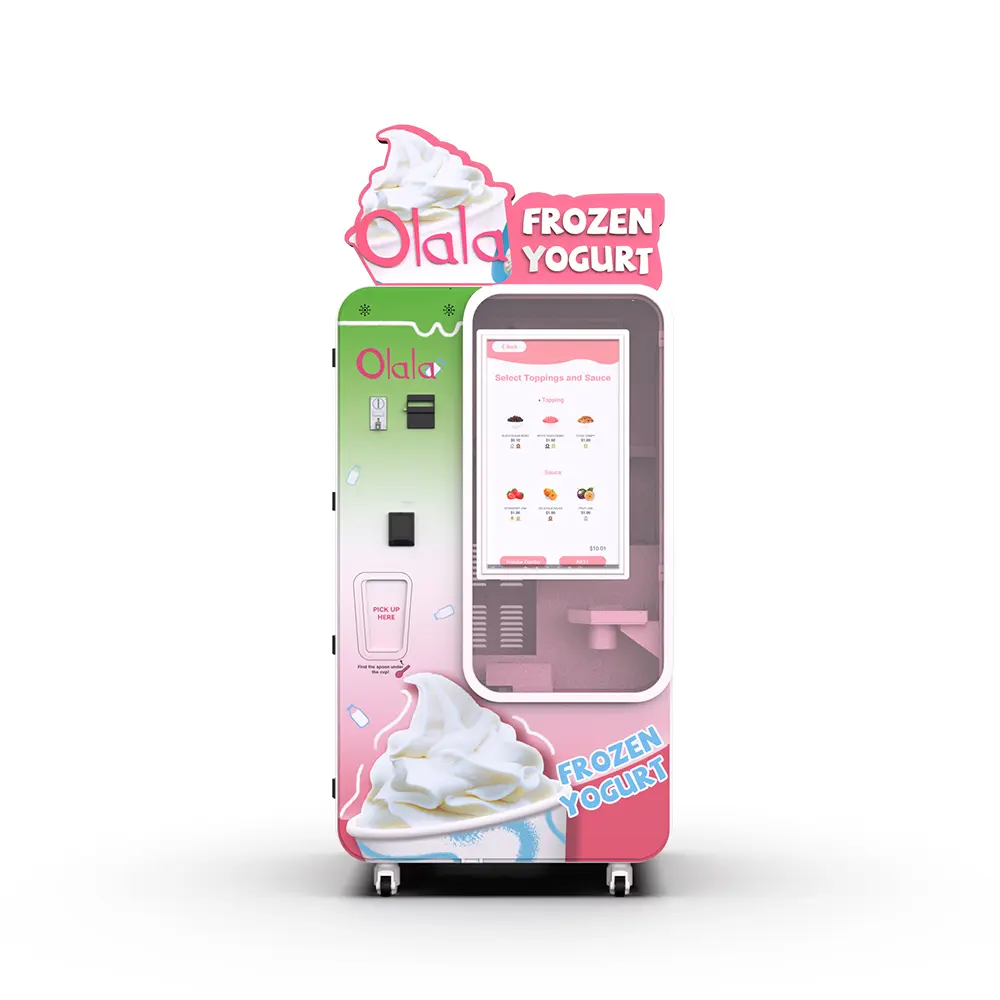
Las plataformas de venta de tamaño completo de Huaxin pueden trabajar con categorías de productos como Servir blanda, yogur congelado, sorbet y postre congelado estilo Açaí. Por lo general, operan con Un producto básico a la vez. Cambiar las categorías de productos significa cambiar el ingrediente base y la receta en lugar de vender varias bases no relacionadas al mismo tiempo.
Eso es importante porque la elección del producto afecta el abastecimiento de ingredientes, el costo de los alimentos, el precio de la porción, la limpieza, las expectativas de los clientes y la demanda estacional.
Las especificaciones de la máquina deben ser interpretadas como variables operativas en lugar de reclamos de ventas.
Una plataforma típica de tamaño completo de Huaxin puede completar una porción en aproximadamente 15-20 segundosDependiendo de la receta y las condiciones de funcionamiento. Las configuraciones típicas pueden ser 160 tazas y aproximadamente 20 L de mezcla.
Esos números ayudan a estimar el rendimiento máximo y la frecuencia de recarga. No te dicen cuántos clientes van a comprar.
La misma diferencia se aplica a la automatización. La gestión remota se vuelve más valiosa a medida que la flota crece, ya que el operador puede revisar el estado de la máquina, la información de ventas, las alertas relacionadas con el inventario y las fallas sin confiar enteramente en la inspección física. La limpieza y la pasteurización automatizadas pueden estandarizar partes del proceso de saneamiento y gestión de la temperatura, pero no significan cero limpieza manual.
El pago también debe ser confirmado para el mercado de destino. Tarjetas, NFC / contactless, pagos QR, monedas, facturas y soluciones de billetera local compatibles pueden estar disponibles dependiendo de la configuración, pero la capacidad de MDB no hace automáticamente compatible cada terminal local.
Para un proyecto serio, el proveedor de pago debe ser identificado antes del lanzamiento.
4. Construir el modelo financiero desde la ubicación hacia arriba
Aquí es donde el plan de negocios se convierte en útil.
En lugar de comenzar con un período de retorno deseado, comience con suposiciones que se puedan rastrear a la evidencia.
Por ejemplo,
| Variables | Ilustración Input | De dónde debería venir |
|---|---|---|
| Tráfico relevante | 1.500 / día | Datos de tráfico del sitio |
| Conversión | 2,7% | Hipótesis claramente etiquetada |
| Ventas diarias | ~ 40 tazas | Cálculo |
| Precio de venta | USD 4,50 | Investigación de competidores locales |
| Costo variable | USD 1,80 / taza | Modelo de receta y pago |
| Costo del sitio | USD 1.200 / mes | Contrato propuesto |
| Costo del servicio | USD 600 / mes | Modelo de ruta |
| Otros costes fijos | USD 450 / mes | Utilidades, software, mantenimiento |
Estas cifras son entradas de planificación ilustrativas, no resultados de clientes de Huaxin.
El principio importante es que cada número mayor debe provenir de una fuente externa, de una cotización de un proveedor o sitio, de un cálculo interno, o de una hipótesis claramente marcada.
Una proyección se vuelve peligrosa cuando las suposiciones comienzan a aparecer como hechos.
Escenario ilustrativo de dos máquinas
Supongamos que un modelo de planificación asume:
- dos máquinas;
- USD 4,50 precio promedio de venta;
- USD 1,80 Costo variable por porción;
- 30 días operativos;
- 4.500 USD combinados de costos fijos y semifijos mensuales;
- USD 42.000 capital inicial total del proyecto.
El resultado cambia rápidamente cuando cambian las ventas diarias:
| Escenario | Tazas diarias / Máquina | Ingresos mensuales | Contribución Operativa | Simple payback |
|---|---|---|---|---|
| Conservador | 25 | USD 6,750 | USD - 450 | Sin retorno mientras hace pérdidas |
| Base | 40 | USD 10,800 | USD 1,980 | ~ 21 meses |
| fuerte | 55 | USD 14,850 | USD 4,410 | ~ 10 meses |
Una vez más, esto no es un caso de cliente, cotización o ROI esperado.
Su propósito es exponer cuán sensible es el modelo a la demanda.
La misma máquina puede pasar de una pérdida operativa a un resultado de hoja de cálculo atractivo simplemente porque cambia un supuesto de ventas. Es por eso que un plan de negocios que utilice 50 o 60 tazas al día debería explicar ¿Por qué ese número es realista en el sitio propuesto? Antes de hablar del Rey.
5. Cálculo del break-even antes del payback
Para un proyecto en etapa temprana, el punto de equilibrio suele ser más útil que un pronóstico a cinco años.
El cálculo de la unidad estándar utilizado en la planificación de negocios es:
Unidades de equilibrio equilibrado = Costos fijos ÷ (Precio de venta − Costo variable por unidad)
Usando el ejemplo ilustrativo:
Precio de venta = USD 4,50
Costo variable = 1,80 USD
Contribución por porción = USD 2,70
Costo fijo mensual = USD 2,250 por máquina
El volumen de equilibrio mensual aproximado es:
USD 2,250 ÷ USD 2,70 ≈ 833 porciones
Más de 30 días operativos, es decir:
28 porciones por día
Ese número le da al operador algo concreto para validar contra el tráfico real y el comportamiento del cliente.
Si el sitio propuesto no puede soportar razonablemente el volumen de equilibrio, cambiar la hoja de cálculo de retorno no solucionará el problema subyacente.
El flujo de efectivo también debe considerarse por separado de la rentabilidad operativa. Los depósitos de equipos, el flete internacional, los costos de importación, los depósitos del sitio, los ingredientes iniciales, las tazas, las piezas de repuesto, los seguros y las pérdidas operativas tempranas pueden requerir efectivo antes de que el negocio alcance ventas estables.
Por lo tanto, un nuevo operador debe distinguir entre Inversión inicial, costo operativo mensual, capital de trabajo y contingenciasEn lugar de gastar todo el presupuesto en el máximo número posible de máquinas.
6. Utilice el piloto para reemplazar suposiciones con datos
Un piloto de una a tres máquinas debe responder preguntas que no se pueden resolver en una hoja de cálculo.
Las tazas diarias son importantes, pero son solo el comienzo. Un piloto útil también registra las ventas por hora, el rendimiento de los días de la semana frente al fin de semana, la conversión, el costo del producto, el desperdicio, el éxito del pago, la frecuencia de recarga, el tiempo de limpieza, el tiempo de inactividad y la mano de obra por visita de servicio.
Aquí es donde el plan comienza a convertirse en datos de primera parte.
Supongamos que el modelo original asume 40 tazas por día, un cierto horario de recarga y visitas de mantenimiento limitadas. Después de varios meses, el operador puede reemplazar esas suposiciones con números reales.
El piloto también debe tener criterios de éxito antes de comenzar.
La expansión puede requerir que las ventas se mantengan por encima del equilibrio, que el desperdicio del producto se mantenga dentro de un rango aceptable, que el pago se mantenga confiable y que la recarga o la limpieza se mantengan manejables. Los tiempos de inactividad también deben ser lo suficientemente bajos como para que el modelo de funcionamiento pueda repetirse sin intervención constante.
Por lo tanto, la primera máquina no es solo una prueba de si el equipo funciona.
Está probando si el Negocios alrededor del equipo obras.
7. Lo que suele salir mal
El riesgo comercial más importante a menudo sigue siendo la ubicación.
Una máquina técnicamente sólida no puede compensar indefinidamente el bajo tráfico relevante, la mala visibilidad, el débil ajuste del producto o el costo excesivo del sitio.
Un segundo riesgo es la fricción operativa subestimada. El desperdicio de ingredientes, las transacciones fallidas, la escasez de tazas, los problemas de red o las visitas de servicio repetidas pueden parecer pequeñas en el plan de negocio original, pero se vuelven caras en varias ubicaciones.
La estacionalidad también puede distorsionar los resultados tempranos. Un primer mes sólido no demuestra que una ubicación se desempeñará de la misma manera durante todo el año.
Y luego está la escalada demasiado temprano.
Un operador que compra varias máquinas adicionales antes de comprender la economía real de la primera ubicación puede multiplicar los problemas no resueltos en lugar de aumentar la escala.
La mayoría de estos riesgos no requieren planes de mitigación complejos. Requieren una buena medición, contratos realistas, alertas remotas cuando sea apropiado, una planificación básica de repuestos y reglas claras para saber cuándo debe corregirse o reubicarse un sitio débil.
8. De una máquina a una ruta repetible
Una vez que el piloto produzca datos fiables, la expansión debería volverse más operativa y menos especulativa.
en 1-3 Máquinas, el objetivo es la validación: ubicación, producto, precio, pago, recarga, limpieza y soporte.
En aproximadamente 4-10 MáquinasLa estandarización comienza a importar. Las rutas de servicio, el hardware de pago, la planificación de piezas de repuesto, la compra de consumibles, el monitoreo remoto y los procedimientos operativos deben ser consistentes.
Con flotas más grandes, la infraestructura comienza a importar: inventario local, servicio técnico, capacitación del personal, adquisición de ubicaciones, informes de flotas y eficiencia de compras.
Un distribuidor sigue un camino diferente porque los equipos de demostración, la capacidad de ventas, la capacitación de técnicos y el soporte al cliente pueden necesitar existir mucho antes.
No existe un número universal de máquinas en las que un proyecto se convierta en escalable.
Una mejor pregunta es si se puede agregar cada máquina adicional sin requerir que el propietario reinvente el proceso de operación.
9. Convertir el análisis en un plan de negocios
Una vez que se completa la investigación, el documento formal no tiene que ser excesivamente largo.
Un plan práctico debe cubrir:
Concepto de negocio y modelo
¿Qué se vende, quién opera las máquinas y cómo se generan los ingresos?
Cliente objetivo y ubicación
Quien se espera que compre, dónde operarán las máquinas y cómo se evaluarán los sitios candidatos.
Requisitos de productos y equipos
Tipo de producto, capacidad de producción, pago, monitoreo remoto, limpieza y requisitos de servicio.
Adquisición de localización
Cómo se encontrarán ubicaciones, se negociarán y rechazarán.
Modelo financiero
Inversión inicial, costo variable, costo fijo, precio de venta, equilibrio, capital de trabajo y varios escenarios de ventas.
Plan piloto
¿Qué se medirá y qué resultados deben existir antes de la expansión?
Plan de Riesgo y Expansión
Lo que podría invalidar el proyecto y qué evidencia se requiere antes de comprar más máquinas.
Cuando se pone en contacto con un proveedor de maquinaria, la misma disciplina ayuda.
En lugar de simplemente pedir el precio, proporcione el país, tipo de ubicación, modelo de negocio, cantidad inicial, categoría de producto, demanda esperada, requisitos de pago, idioma, necesidades de certificación, fecha de lanzamiento y plan de expansión potencial.
Eso permite que la discusión del equipo se construya alrededor de un proyecto real en lugar de una oportunidad genérica.
Preguntas frecuentes
¿Es un negocio de máquina expendedora de helados una buena oportunidad?
Puede ser viable donde la demanda del cliente, la economía de la ubicación, la adaptación del producto y la capacidad operativa se alinean. El crecimiento más amplio del comercio minorista no supervisado es un contexto útil, pero el rendimiento de un proyecto individual aún debe ser validado a nivel de ubicación.
¿Cómo puedo pronosticar los ingresos?
Comience con un tráfico relevante mensurable, un supuesto de conversión claramente etiquetado, precio de venta local y días operativos realistas. Construir escenarios conservadores, básicos y fuertes en lugar de confiar en un número de ventas.
¿Cuánto tiempo tarda una máquina expendedora de helados en pagar?
No existe un período de devolución fijo confiable. Depende de la inversión inicial y de la contribución operativa real después de los ingredientes, el pago, la ubicación, el servicio y otros costos.
¿Cuál es el mayor riesgo?
Para muchos operadores, el rendimiento de la ubicación es la mayor incertidumbre comercial. El tráfico débil, el mal ajuste del producto o el costo excesivo del sitio pueden superar las ventajas de un buen equipo.
¿Debo empezar con una máquina o varias?
Una máquina limita la exposición a capital. Dos o tres máquinas pueden proporcionar datos comparativos más sólidos entre ubicaciones. El tamaño adecuado del piloto depende del capital disponible y de lo que el piloto necesita demostrar.
¿Cuándo debo escalar?
Escala cuando los datos operativos reales muestren demanda repetitiva, contribución aceptable, servicio manejable, pago confiable, desperdicios controlados y un modelo de ubicación que se puede duplicar de manera realista.
Conclusión
Un fuerte Plan de negocio de máquina vending de helados No intenta demostrar que la oportunidad funcionará.
Define lo que debe ser cierto para la oportunidad de trabajar, luego prueba esas suposiciones con ubicaciones reales y datos operativos reales.
El crecimiento de la industria puede justificar más investigación. Las especificaciones de la máquina pueden definir la capacidad operativa. Una hoja de cálculo puede mostrar lo que significaría financieramente diferentes niveles de ventas.
Pero la decisión de inversión depende en última instancia de si los clientes compran con suficiente frecuencia, a una estructura de precios y costos que respalde la ubicación.
Una vez que eso se ha demostrado, la expansión se convierte en una cuestión de replicación más que de optimismo.
Referencias / Fuentes
-
Fundación NAMA - 2024 - 2025 Censo de la Industria de Servicios de Conveniencia. Datos de la industria que cubren los ingresos por servicios de conveniencia en los Estados Unidos y el papel de la venta venta dentro del mercado minorista más amplio sin vigilancia.
-
Administración de Pequeñas Empresas de EE.UU. - Investigación de Mercado y Análisis Competitivo. Orientación sobre la evaluación de la demanda, ubicación, clientes, competencia y condiciones del mercado.
-
Administración de Pequeñas Empresas de EE.UU. - Planificación de Negocios y Análisis de Break-Even. Orientación sobre supuestos financieros, estructura del plan de negocios, costos de inicio y cálculos de equilibrio.
-
Información del producto Huaxin. Categorías de productos, velocidad y capacidad de producción típica de una plataforma de tamaño completo, administración remota, consideraciones de limpieza y pago.
References / Sources