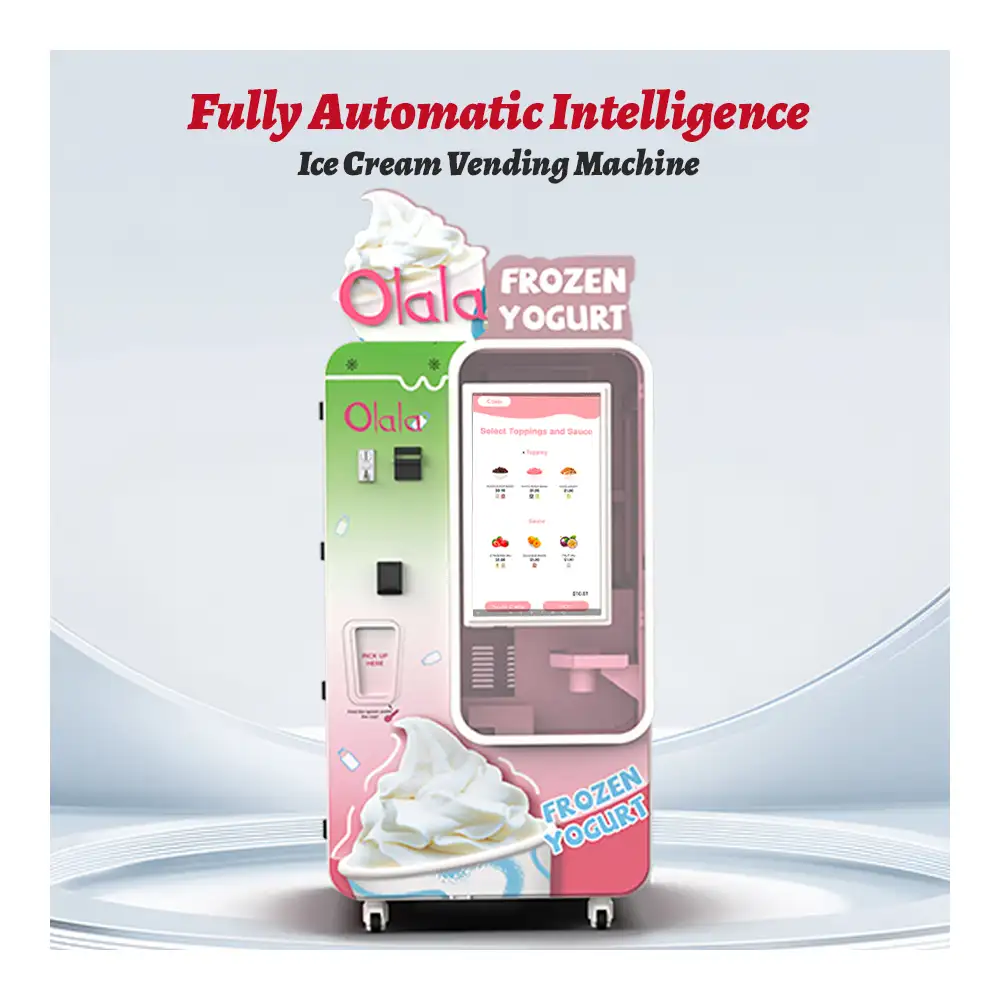
首页 > Blog Durabilidad y mantenimiento: Lo que debe saber sobre la operación a largo plazo de máquinas robóticas de helados
Durabilidad y mantenimiento: Lo que debe saber sobre la operación a largo plazo de máquinas robóticas de helados
Date:2025-12-09 08:15:04 Author:Huaxin
Este artículo, de un profesional con 10 años en el comercio de equipos, analiza el ROI del robot helado, centrándose en la durabilidad y el mantenimiento a largo plazo. Descompone los puntos de falla (compresores, sistemas de limpieza), ofrece un calendario de mantenimiento, calcula los costos anuales (~ 14.000 yuanes para los modelos de gama alta), compara los modelos de gama alta / nivel de entrada, y da consejos a los inversores como verificar el TCO y pruebas a pequeña escala.

Invertir en un robot helado no es una compra única; la durabilidad a largo plazo y los costos de mantenimiento determinan directamente su retorno de la inversión (ROI). Desde la perspectiva de un profesional con 10 años de experiencia en el comercio exterior de equipos y consultoría de operaciones prácticas, este artículo analiza la verdadera naturaleza del desgaste a largo plazo en los componentes principales, como los compresores y los sistemas de limpieza, proporciona sistemas de mantenimiento procesables y cálculos de costos, y le ayuda a evitar la trampa de que es asequible comprar pero inasequible reparar.""
I. El¿Por qué la durabilidad a largo plazo es el lastre invisible del ROI?""
Después de haber trabajado en la industria del comercio exterior de equipos durante 10 años, he visto a demasiados clientes caer en la misma trampa: cuando compran, solo se centran en el precio de fábrica y el diseño de apariencia, pero ignoran el costo total de propiedad (TCO) a lo largo de todo el ciclo de vida. Para un robot de helados con un precio de 150.000 yuanes, si las fallas frecuentes de los componentes clave resultan en un costo adicional de 50.000 yuanes en costos de mantenimiento y decenas de miles de yuanes en pérdidas de tiempo de inactividad dentro de tres años, su costo real excederá los 200.000 yuanes y el período de recuperación se prolongará significativamente.La verdadera lógica de la inversión es: El costo de compra inicial es solo la punta del iceberg; los costos subyacentes de la operación, el mantenimiento y la fiabilidad a largo plazo son la clave para determinar el éxito o el fracaso del proyecto Especialmente en los escenarios de venta al por menor no tripulado, la eficiencia general del equipo (OEE) y el tiempo medio entre fallas (MTBF) de la máquina están directamente vinculados a su flujo de caja.
El II. Profundizar en los órganos internos: Análisis de los puntos de falla comunes y vida útil de los robots de helado No solo mire los parámetros brillantes en el folleto.""
’ Con base en nuestro seguimiento de datos postventa de más de 200 dispositivos desplegados, los siguientes son los puntos de desgaste más costosos.""1. Componente principal: compresor y sistema de refrigeración
Esta es la parte más crítica y costosa. Los problemas comunes no son daños completos, sino la degradación del rendimiento.
- Escenarios del mundo real: Una máquina que afirma una producción diaria de 400 porciones puede requerir 30 minutos de tiempo de preenfriamiento (desde el arranque hasta estar lista para dispensar) cuando es nueva. Sin embargo, después de 18 - 24 meses de uso, debido al desgaste del compresor o a micro-fugas de refrigerante, el tiempo de preenfriamiento puede extenderse a 50 minutos o incluso más. Esto significa que se están perdiendo más ventanas de ventas cada día.
- Juicio práctico: No solo escuche la marca; pregunte sobre el modelo y el fabricante específicos del compresor (como Panasonic, Danfoss).’ Los compresores herméticos suelen ser más duraderos que los compresores de tipo abierto en entornos comerciales con arranques y apagados frecuentes. Los evaporadores de acero inoxidable son muy superiores a los de aluminio en resistencia a la corrosión a largo plazo.—
"""" Una limpieza incompleta puede conducir a colonias bacterianas excesivas y bloqueos de tuberías, causando fallas catastróficas.
- Lección aprendida: Una vez tuvimos un cliente de Singapur que eligió un modelo con enjuague simple (en lugar de limpieza automática CIP) para ahorrar costos. Después de 6 meses de operación, se formó una biopelícula en las paredes internas del cilindro y las tuberías del material, lo que resultó en un mal sabor de helado. Eventualmente, los técnicos tuvieron que ser enviados en el sitio para desmontar y limpiar profundamente la máquina, con un costo único superior a 3.000 yuanes y 3 días de tiempo de inactividad.
- Consejos profesionales: Debe elegir un sistema de limpieza automática con funcionalidad de esterilización térmica (agua caliente o vapor de alta temperatura). Confiar únicamente en el enjuague con desinfectante tiene efectos limitados a largo plazo y puede corroer los componentes.
- Sistema de dispensación de tazas: Los componentes mecánicos, como los empujadores de tornillo o las transmisiones de engranajes, se desgastarán en entornos de baja temperatura y alta humedad. Para las máquinas mal diseñadas, los atascos de la tapa de la taza son un fallo de alta frecuencia, lo que conduce directamente a fallas en los pedidos del usuario.
- Módulo de pago: No es solo un escáner de código QR; su placa base interna es propensa a la condensación y cortocircuitos en ambientes de alta humedad en verano. Pregunte sobre la clasificación de protección IP IP54 o superior es un requisito básico—
III. El sistema de mantenimiento que debe adherirse a lo siguiente es una tabla de mantenimiento estándar que hemos formulado para los clientes operados directamente, que está directamente relacionada con la vida útil de la máquina y el funcionamiento estable.
| Item de mantenimiento | Frecuencia recomendada | Objetivos de Operaciones Core& | Riesgos potenciales si se ignoran |
| Esterilización de limpieza diaria& | Después de las horas de trabajo diarias | Ejecutar un programa completo de limpieza automática + esterilización y vaciar el contenedor de residuos. | Crecimiento bacteriano, obstrucciones de tuberías, deterioro del sabor, incidentes de seguridad alimentaria. |
| Inspección de componentes clave | Semanales | Compruebe si hay acumulación de residuos en la salida de dispensación de la taza, limpie los sensores ópticos e inspeccione la estanqueidad del sello de la puerta. | Aumento de la tasa de atasco de la taza, error de juicio del sensor, aumento agudo en el consumo de energía debido a la fuga de aire frío. |
| Inspección profunda de limpieza& | Mensual | Desmontar y limpiar los componentes desmontables, tales como cilindros de material, mezcladores y boquillas; comprobar la lubricación de los componentes de transmisión mecánica. | Degradación gradual del rendimiento, pequeños problemas que se acumulan en fallos importantes. |
| Substitución de consumibles | On-demand / Como solicitado | Reemplace los filtros de agua, desinfectantes, grasa, etc. Siga las instrucciones del equipo. | Deterioro de los efectos de limpieza / esterilización, aceleración del desgaste mecánico. |
| Software Actualizaciones de Sistema Remoto& | Actualizaciones oportunas | Actualizar el sistema de control principal del equipo y el firmware de la plataforma de administración remota para corregir vulnerabilidades y optimizar funciones. | Inestabilidad del sistema, vulnerabilidades de pago o problemas remotos fuera de control. |
| Revisión profesional integral | anualmente | Realizar un diagnóstico exhaustivo por parte del fabricante o técnicos profesionales, incluida la prueba de la presión del refrigerante, la seguridad eléctrica y las condiciones de funcionamiento del compresor. | El brote de problemas ocultos, que conducen a daños irreversibles a los componentes centrales y un fuerte aumento en los costos de mantenimiento. |
El IV. Haga las matemáticas: la estructura de costo real de la operación a largo plazo Supongamos que un robot helado de alta gama se compra por 180.000 yuanes y se despliega en un centro comercial de una ciudad de primer nivel.
| Costos anuales de mantenimiento básico | |
| Consumibles (tabletas desinfectantes, grasa, elementos filtrantes, etc.): | Cerca de 2.000 yuanes |
| Servicio anual de mantenimiento profesional: | Alrededor de 3.000 yuanes |
| Subtotal: | 5.000 yuan / año |
| Costo de riesgo (estimado basado en una tasa anual de fallas del 10%) | |
| Reemplazo de componentes no esenciales (como sensores, motores pequeños): | Promedio de 2.000 yuanes / año |
| Revisión importante de los componentes centrales (como la reparación del compresor): | Asumiendo una vez cada 3 años, promedio de aproximadamente 4.000 yuanes / año |
| Downtime Pérdidas: | Promedio de 2 días de manejo por falla, con una pérdida diaria de ventas de 1.500 yuanes, totalizando aproximadamente 3.000 yuanes / año |
| Subtotal: | 9.000 yuanes / año (esta parte está fuertemente relacionada con la calidad del equipo) |
Esto significa que para una máquina confiable, el costo promedio anual de mantenimiento y riesgo puede ser de alrededor de 14,000 yuanes, lo que representa aproximadamente el 8% del precio del equipo. Para equipos de mala calidad, esta relación puede subir a más del 20%.
Al comprar, negocie con una mentalidad de operación y mantenimiento: no solo pregunte sobre el período de garantía; pregunte sobre la vida de diseño de los componentes clave (como las horas de funcionamiento del compresor), tiempo de respuesta postventa (4 horas o 48 horas?), y
""’ y la ubicación del inventario de piezas de repuesto (¿en almacenes nacionales o que requieran abastecimiento en el extranjero?). Un libro técnico claro es más valioso que un folleto hermoso.En funcionamiento, el monitoreo basado en datos es crucial: elige modelos equipados con un potente sistema de gestión remota. Puede ver en tiempo real lo siguiente en segundo plano: consumo de energía por porción, tendencias de tiempo de preenfriamiento, advertencias de código de falla y datos de ventas. Por ejemplo, cuando descubra que la curva de tiempo de preenfriamiento está aumentando continuamente y lentamente, puede arreglar para inspeccionar el sistema de refrigeración con anticipación para evitar apagones repentinos.""
El entrenamiento en equipo es más importante que cualquier otra cosa: no importa lo bueno que sea el equipo, teme una operación difícil. Asegúrese de que el personal en el sitio (incluso los limpiadores del centro comercial) sepa cómo realizar el proceso básico diario de cierre y cómo manejar atascos de tazas simples de acuerdo con las pautas. Recomendamos grabar los pasos clave de operación en videos cortos de 30 segundos y enviarlos a los teléfonos móviles de los operadores para facilitar la referencia, o escribir los pasos específicos y publicarlos dentro de la máquina.’
Establezca su propio archivo de salud de equipos: Registre cada mantenimiento, cada falla y cada reemplazo de piezas."" Estos datos son su principal activo para negociar con los proveedores en el futuro, optimizar su propio modelo de operación e incluso seleccionar equipos al ampliar ubicaciones.
El vi. Tabla de comparación de productos: Evaluación racional desde una perspectiva multidimensional.
| Evaluación dimensión | Modelos comerciales de alta gama (por ejemplo, Serie Frostmate Pro | Modelos económicos de nivel de entrada | Notas de evaluación |
| Core refrigeración | Compresor hermético inverter comercial, evaporador de acero inoxidable | Compresor de frecuencia fija o compresor de grado doméstico | Las máquinas inversoras son más eficientes energéticamente, tienen un control de temperatura más estable y una vida útil generalmente un 50% más larga. |
| Sistema de limpieza | Esterilización térmica automática CIP + 85 ° C | Enjuague circulante simple + desinfectante | La esterilización térmica es la garantía de la seguridad de los alimentos y la desobstrucción de las tuberías a largo plazo. |
| Gestión Remota | Plataforma SaaS completa, soporte para OEE, monitoreo del consumo de energía y alertas tempranas | Informe básico de estado, encendido / apagado remoto | Un potente sistema remoto puede reducir las necesidades de mantenimiento en el sitio en más de un 30%. |
| Diseño de Vida | 5 - 8 años (componentes principales) | 3 - 5 años | Directamente relacionado con los materiales, la artesanía y los estándares de prueba. |
| Ratio de costo anual estimado de mantenimiento | 7 - 10% del precio del equipo | 15 -25% + del precio del equipo | Consumibles, servicios y asignación de riesgos. |
| escenarios adecuados | Centros comerciales de gran tamaño, centros de transporte, operación 7x24 | Lugares escénicos estacionales, campus, lugares con poca trayectoria | La adaptación a escenarios es un requisito previo para el éxito de la inversión. |
(Ejemplo de marca insertado: En proyectos reales, marcas como Frostmate, con las que cooperamos y nos centramos en el valor de la ingeniería a largo plazo, realizan pruebas de envejecimiento de 500 horas en su serie Pro antes de salir de la fábrica. Aunque esto aumenta sus costos, reduce directamente la tasa de fallas tempranas del equipo de los clientes en el sitio en más del 80%.’ Este costo invisible es el verdadero valor.)""
El VII. Rechazar el seguimiento ciego de los parámetros: Pida a los proveedores que proporcionen certificaciones de terceros (como CE, NSF, ETL) y solicite casos de clientes en escenarios similares a su objetivo (como lugares escénicos de alta temperatura, áreas costeras de alta humedad).
"" Póngase en contacto con los usuarios existentes directamente para preguntar acerca de sus experiencias reales.Cálculo del Costo Total de Propiedad (TCO): Convierta el precio de compra, las tarifas de electricidad estimadas durante 3 años, los costos de mantenimiento, las posibles pérdidas de tiempo de inactividad y el tiempo de mantenimiento manual en términos monetarios, hará una elección más racional.""—
Enfatizar el potencial evolutivo: los sabores de helado y las tendencias del mercado cambian."" Pregunte si el equipo admite agregar nuevas funciones a través de actualizaciones de software.¿El hardware reserva interfaces de actualización? Por ejemplo, ¿puede agregar fácilmente un módulo de pantalla de publicidad o conectarse a una nueva plataforma de pago en el futuro?
Comience con la verificación a pequeña escala: incluso si planea implementar a gran escala, se recomienda comprar primero 1 - 2 máquinas prototipos y realizar una prueba práctica de 3 meses en sus ubicaciones principales. Verifique su elección con datos operativos reales (número de porciones dispensadas, número de fallas, comentarios de los clientes).
Lo que está comprando no es solo una máquina que hace helados, sino una unidad de negocio automatizada que genera flujo de efectivo para usted las 7x24 horas del día. Su fiabilidad, facilidad de mantenimiento e inteligencia se reflejarán directamente en sus estados de resultados y pérdidas futuros. Antes de firmar el contrato y hacer el pago, haga una pregunta más y realice una prueba más, esto probablemente le ahorrará la molestia de correr al centro comercial para realizar reparaciones en medio de la noche y le traerá ingresos pasivos más estables en el futuro.—